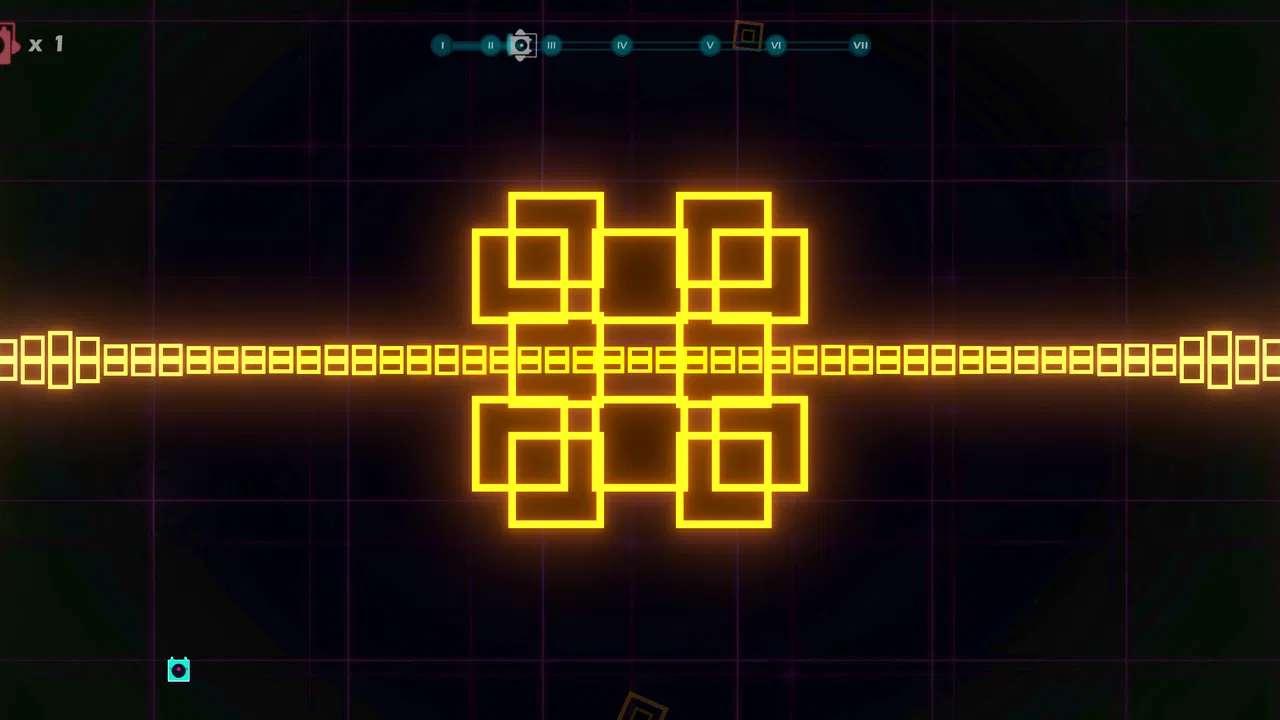
Shape Music Rhythm
- 4.0
- Rating
- 1.00M
- Installs
- Free
- Price

 Analysis by App-foxy
I spent time with Shape Rhythm as a music game built around a simple idea: move with the beat while avoiding shapes that can quickly turn a comfortable run into a mistake. That sounds easy to understand, and it is, but the appeal comes from how the game asks you to react rather than merely listen. It is the kind of title I can open for a short break, yet it also creates enough pressure to make repeated attempts feel worthwhile.
The game is free to play, with optional in-app purchases priced at $1.99 per item. It comes from Mai An Tim and is aimed at Teen players. Its current version is 1.19, and it runs on devices using Android 7.0 or later. Those details make it accessible to a broad range of Android users, although accessibility on paper is not the same as a perfect experience on every phone. Rhythm games are especially sensitive to touch response, screen smoothness, audio timing, and interruptions, so the device you use matters more here than it might in a slower puzzle game.
How the rhythm feels during ordinary play
My first impression was that the game is easy to pick up without a long explanation. The central loop is immediately readable: follow the musical timing, watch the moving hazards, and try to avoid shapes that interrupt your progress. That directness is one of its strongest qualities. I did not need to spend a long session learning menus or complicated rules before understanding what the game wanted from me.
You May Also Like

 Google Keep - Notes and lists
Google Keep’s Quiet Growth Shows the Appeal of Simpler Notes
As mobile work gets busier, Google Keep keeps winning a simple contest: capture a thought quickly, find it later, and get on with the day.

 Blood Strike: 2.5 Anniversary
Blood Strike’s Loadouts Turn Every Drop Into a Tactical Gamble
A close look at Blood Strike’s custom loadouts: how fast access to signature weapons reshapes its battle royale rhythm, rewards preparation, and narrows the gap between fights.

 Pandora - Music & Podcasts
Pandora’s Music Is Easy to Start, but Harder to Recover
Pandora’s strength is its low-effort path from a seed to a station. Its weak spot is how much confidence it asks you to place in connection, setup, and quiet recovery.

 8 Ball Pool
 Is Built on Rivalries, Rematches, and Routine
A close look at the rivalries, rematches, shared routines, and unanswered safety questions that turn a quick pool match into a persistent mobile community.

 Samsung Music
’s Quiet Strength Is Playing What You Already Own
Its reach comes less from spectacle than from dependable access to a personal library. That simplicity is both the app’s strongest retention engine and its ceiling.

 AccuWeather: Weather Radar
AccuWeather Review: A Quick, Clear Forecast for Everyday Decisions
For everyday plans, the best forecast is the one you can understand quickly. AccuWeather makes rain timing, radar, and local conditions easy to act on, with a few trade-offs.
More From Our News Desk



The speed expectation is also important. This is not a game I would choose when I want a calm, passive music experience. Even when the opening moments feel manageable, the need to divide attention between rhythm and visual danger keeps the hands active. The best results come from finding a steady visual rhythm instead of reacting to every shape as a separate emergency.
A useful habit is to watch slightly ahead of the immediate action. If I focus only on the shape closest to the point of contact, I am more likely to make a late movement. Looking for the next pattern gives me time to prepare, while still listening for the beat. This is a small adjustment, but it makes the game feel less random and more like a skill test.
The music is not just decoration in this format. It gives the action a sense of structure, even when the visual field becomes busy. I found that players who naturally follow a beat will have an easier time settling into the timing than players who rely only on quick eyesight. That does not make musical ability a requirement, but it does change how quickly the controls begin to feel natural.
Why short sessions work particularly well
Shape Rhythm fits the kind of gaming session that happens while waiting for transport, taking a short break, or looking for something more active than scrolling. A single attempt can have a clear beginning and end, so I do not need to reserve a large block of time. That makes it more convenient than many music games that expect a long playlist or a substantial progression session.
At the same time, a short session can become several attempts because failure encourages immediate improvement. I often noticed that a mistake was understandable rather than completely mysterious: I had moved too late, watched the wrong area, or lost the beat while concentrating on a shape. That feeling is valuable because it gives a reason to try again without requiring a large reward system.
There is a trade-off, though. If you prefer games with a strong story, character collection, or a large sense of exploration, this focused format may feel narrow. The game is about the repeated challenge of rhythm and avoidance. Its appeal depends on whether that central action remains satisfying after the novelty has worn off.
What happens when the screen gets busy
The heavier moments are where I paid the most attention to performance. A rhythm game can feel fine during a quiet opening and still become frustrating when several visual elements demand attention at once. In Shape Rhythm, those moments test both the player and the phone. The more crowded the screen feels, the more important it becomes that movement, audio, and visual feedback remain easy to follow.
I would not judge the experience only by how quickly the game opens. For this type of title, perceived speed is really about whether the action stays readable under pressure. A fast-loading game that produces distracting pauses at the wrong moment would be less useful than one that takes a little longer to start but keeps the rhythm consistent during play.
My practical advice is to close demanding background apps before a serious attempt, especially on an older device. This is not because the game is automatically resource-heavy; rather, rhythm play leaves very little room for distractions. A notification, a background slowdown, or an accidental touch can matter more than it would in a turn-based game.
Players should also think about sound conditions. In a quiet room, the beat can help guide movement. In a noisy environment, the visual shapes carry more responsibility, and that can make difficult sections feel less forgiving. Earphones may help some players concentrate, but they are not a substitute for a responsive screen or a comfortable grip.
Recovery after mistakes and interruptions
One of the most important questions for a rhythm game is how willing it is to let me recover mentally after a mistake. Even when a run ends quickly, I want to understand what went wrong and restart without unnecessary friction. Shape Rhythm works best when I treat each attempt as a compact practice session rather than as a precious run that must never fail.
This approach changes how I use it. Instead of becoming annoyed by an early error, I try to identify whether the problem was timing, attention, or hand position. If the same type of mistake happens repeatedly, I adjust one thing at a time. For example, I might focus more on the beat during one attempt and then prioritize looking ahead during the next. That makes practice more useful than simply tapping through repeated restarts without reflection.
Interruptions are a different matter. Calls, notifications, battery-saving behavior, or switching to another app can break concentration even if the game itself is behaving normally. I would avoid starting a demanding run when I know I may be interrupted. This is especially relevant for anyone using the game during commuting or in a busy household, where the surrounding environment can be less predictable than the game.
I also recommend holding the device in a way that keeps the active area visible without covering important parts of the screen. A cramped grip creates its own errors. Players with larger phones may need to experiment with hand placement, while players on smaller screens may find that visual clutter becomes noticeable sooner. These are simple physical details, but they affect recovery because a missed input can look like a timing error.
Stability, comfort, and older Android devices
The Android 7.0 minimum requirement is helpful for people who keep an older phone rather than upgrading frequently. It means the game is not restricted to only recent hardware. Still, an operating-system requirement does not guarantee identical performance across all supported devices. Screen refresh behavior, touch sensitivity, available memory, and general device condition can influence how comfortable a rhythm game feels.
On a newer phone, I would expect the clearest advantage to be comfort during longer play rather than a fundamentally different game. A brighter display, steadier touch response, and better battery condition can make repeated attempts less tiring. On an older phone, the game may still be worth trying, but I would test it during ordinary play instead of assuming that the minimum software version tells the whole story.
Resource demands are also connected to how long you play. A few short attempts are a different workload from leaving any game open for a long session. If the device becomes warm, the battery is already low, or other apps are active, I would treat that as a sign to take a break or reduce background activity. This is sensible device care and also protects the timing-focused experience from becoming uncomfortable.
For younger players, the Teen content rating is worth considering before installing. Parents and guardians should look at the game in the context of the child’s age and the way the child responds to repeated failure. The format is straightforward, but the pressure to improve can encourage “one more attempt” behavior. Setting a session limit can keep the game enjoyable instead of turning a short break into an unexpectedly long play period.
Where it fits among music games
Compared with a traditional music player, Shape Rhythm is obviously more interactive. It gives the hands a job and turns listening into a challenge. Compared with a large rhythm game built around licensed songs, extensive customization, or a deep progression system, it feels more focused. That simplicity is a strength for players who want immediate action, but it may feel limited to anyone looking for a broad music collection or a long-term social experience.
It also differs from endless runners because the beat is central rather than merely accompanying forward movement. In an ordinary runner, visual reaction may dominate. Here, I found that rhythm and visual avoidance need to cooperate. If I ignored the music, the shapes became harder to anticipate; if I listened without watching carefully, I could still collide with an obstacle.
That combination makes it a better choice for someone who wants a compact reflex game with musical timing than for someone searching for a relaxed background activity. It is also a reasonable alternative to more elaborate rhythm titles when storage, learning time, or menu complexity is a concern. The trade-off is that players who enjoy collecting songs, unlocking characters, or comparing a large range of modes may prefer a fuller-featured competitor.
Who will get the most from it
I would recommend this game to players who enjoy improving through repetition and who like challenges that can be understood within seconds. It suits someone who wants a quick test of concentration during a break, as well as someone who enjoys practicing a particular kind of coordination. The free entry point makes it easy to try without committing money first, while the optional $1.99 purchases give players a way to spend only if they decide the experience deserves it.
The game is less suitable for people who dislike failure-based loops or who need a clearly explained long-term goal. It may also be a poor fit if your phone has unreliable touch input, if you regularly play with sound unavailable, or if you find visual motion uncomfortable. In those cases, a slower puzzle game or a less timing-sensitive music app would probably be a better choice.
For a realistic everyday scenario, imagine having ten minutes before an appointment. I would open the game, play a few attempts, and stop after identifying one recurring mistake rather than chasing an endless high score. That approach keeps the session focused. On a longer evening, I might play more, but I would still take breaks because concentration can decline before the player notices it.
Popularity and what that means for a new player
The game has passed one million installs and holds a 4.1 average from around 5.2 thousand ratings, with roughly 378 written reviews. Those figures suggest that it has reached a substantial audience while leaving room for mixed experiences. I would read that combination as a reason to try it personally rather than assuming it will suit everyone. A rhythm game can be enjoyable for one player and frustrating for another simply because their phone, hearing environment, and preferred difficulty are different.
The developer, Mai An Tim, has kept the concept recognizable and approachable. The current version, 1.19, is the one I would use when judging the present experience, especially because updates can affect how a game feels on different devices. I would still keep expectations realistic: a version number alone does not promise that every older phone will respond identically or that every player will enjoy the same level of challenge.
What matters most to me is that the game’s popularity does not replace the need for good habits. Use a stable grip, reduce distractions, listen for the timing when possible, and treat failed attempts as information. Those choices make a bigger difference to enjoyment than simply playing longer. They also help separate a genuine performance problem from a moment when attention slipped.
My performance verdict
After considering speed, busy play, recovery, and device limitations, I see Shape Rhythm as a focused music game rather than an all-purpose mobile entertainment package. Its strongest quality is the direct relationship between sound, movement, and visual avoidance. I can understand the objective quickly, begin playing without a long setup, and use short sessions to practice a specific skill.
The main limitation is equally clear: this design depends on concentration and responsive interaction. Players who want a relaxed soundtrack, a rich story, or extensive progression should look elsewhere. Older devices may also require more patience, and interruptions or poor listening conditions can make a fair challenge feel unnecessarily difficult.
For me, the free download makes the decision simple. I would try it on the device I plan to use, play long enough to reach a busier section, and judge whether the timing remains comfortable. If the screen stays readable and the controls feel dependable, it is an enjoyable way to turn a few spare minutes into a small reflex workout. My recommendation is positive for players who want compact, beat-driven action, but conditional for anyone expecting a deep music library or a completely effortless experience.
FAQs for Shape Music Rhythm
01What is Shape Rhythm, and how does it work?
Shape Rhythm is an engaging music-based game available on Android and iOS that combines rhythm and geometry. Players must match shapes to the beat of the music, creating an immersive experience. The game offers various levels, each with unique tracks and increasing difficulty, challenging players’ timing and reflexes.
02Is Shape Rhythm suitable for children?
Yes, Shape Rhythm is suitable for children. It features bright, colorful graphics and a simple, intuitive interface that can be easily understood by younger players. However, parental guidance is recommended to ensure the music tracks and in-app purchases align with the child’s age and preferences.
03Are there in-app purchases in Shape Rhythm?
Shape Rhythm does feature in-app purchases, allowing players to unlock new tracks, themes, and power-ups. While the game is free to download, these purchases enhance the gaming experience. Players can enjoy the basic levels without spending, but additional content requires payment.
04Does Shape Rhythm require an internet connection?
Shape Rhythm can be played offline, making it convenient for users without consistent internet access. However, certain features like leaderboard updates and downloading new content require an internet connection. Playing offline does not affect the core gameplay experience.
05How can I improve my skills in Shape Rhythm?
Improving skills in Shape Rhythm involves practicing regularly to better understand the timing and patterns of each track. Players can start with easier levels to build confidence and then gradually progress to more challenging songs. Utilizing practice mode can also help in mastering difficult sections.
Pros
- Intuitive interface enhances user experience.
- Variety of music tracks to choose from.
- Engaging gameplay keeps users entertained.
- Offline mode available for uninterrupted play.
- Regular updates with new features and songs.
Cons
- In-app purchases can be costly.
- Ads can interrupt gameplay experience.
- Limited customization options for avatars.
- Some tracks require a high skill level.
- Occasional lag on older devices.

Shape Music Rhythm
Gallery